
Garage Door Opener Repair
We repair and replace garage door openers, including chain drive, belt drive, and wall-mount systems. Every service begins with a complete inspection to ensure your entire garage door system operates safely and reliably.
What's Wrong With My Garage Door Opener?
Garage door opener problems don’t always start with a complete failure. Many begin with unusual noises, inconsistent operation, or delayed response. While some issues originate inside the opener, others are caused by broken springs, damaged cables, an unbalanced garage door, or misaligned safety sensors.
Use the symptom checker below to narrow down the possible cause.
Symptom Checker
Opener hums but the door won't move
When the motor hums but the door stays put, the opener has power but can’t engage the drive. We pinpoint the failed component and rebuild or replace the drive assembly so the door moves smoothly again.
Possible causes:
- Stripped drive gear
- Disengaged trolley
- Broken sprocket
- Failed belt or chain
Opener won't respond at all
A completely unresponsive opener usually points to an electrical fault. We test the outlet, capacitor, logic board, and wall control to find the break and restore reliable operation.
Possible causes:
- No power
- Failed logic board
- Blown capacitor
- Bad wall control
Remote or Keypad stopped working
If only the remote or keypad fails, the opener itself is often fine. We re-program your remotes, replace worn keypads, and repair faulty receivers so your door responds every time.
Possible causes:
- Dead batteries
- Lost programming
- Failed receiver
Door reverses while closing
A door that backs up before sealing is the safety system doing its job. We realign the photo-eye sensors and recalibrate travel and force limits so the door closes fully and safely.
Possible causes:
- Misaligned safety sensors
- Incorrect travel or force settings
- Broken Garage Door Spring
Grinding or clicking noises
Unusual grinding or clicking signals mechanical wear inside the opener. Catching it early often means a simple gear or belt repair instead of a full motor replacement.
Possible causes:
- Worn gears
- Loose chain
- Damaged belt or chain
- Failing motor.
Opener runs longer than normal
When the motor runs past the point the door should stop, the travel limits have drifted or parts are wearing. We readjust the limits and inspect the drive to prevent strain on the system.
Possible causes:
- Travel limits out of adjustment
- Internal component wear
Door opens or closes by itself
A door that operates on its own is both frustrating and a security risk. We trace wiring faults, stuck buttons, and interference, and replace failing circuit boards to stop the phantom operation.
Possible causes:
- Wiring fault
- Stuck wall button
- RF interference
- Failing circuit board
Opener lights flash
Many modern garage door openers use flashing lights or diagnostic LEDs to indicate a problem. While the exact code varies by manufacturer, flashing lights often point to one of these issues:
Possible causes:
- Safety sensors are blocked or misaligned.
- Safety sensor wiring is damaged or disconnected.
- A wall control or control wire has failed.
- The garage door is binding or something is blocking its travel.
- A broken garage door spring has caused the opener to stop for safety.
- The manual lock on the door is engaged.
- The door is out of balance or difficult to move by hand.
- An internal opener component, such as the logic board, travel module, or motor, has failed.
Not every flashing light means the opener itself is defective. In many cases, the opener is simply reporting a problem elsewhere in the garage door system. Every repair begins with a complete inspection to identify the actual cause before recommending any repairs.
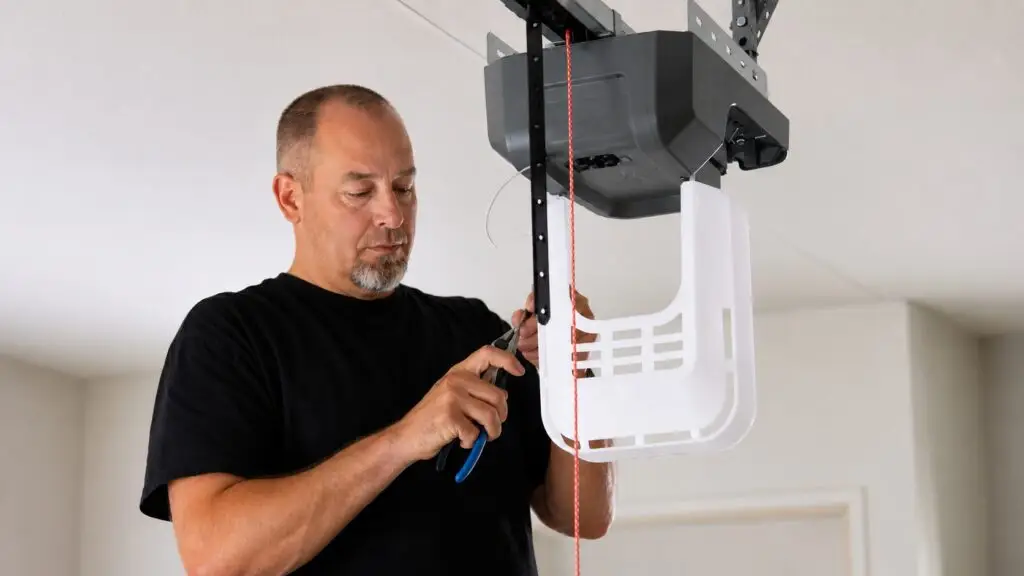
Repair or Replace Your Garage Door Opener?
Most garage door opener problems don’t require a complete replacement. Many opener problems can be resolved by replacing a worn gear, faulty control board, broken belt, or damaged safety sensor, without replacing the entire opener.
If the opener has multiple major component failures, replacement parts are no longer available, or it’s nearing the end of its service life, installing a new opener may be the better long-term investment.
Every service begins with a complete inspection because the right recommendation depends on the condition of the entire garage door system, not just the opener.
Should I Repair?
- Opener is generally under 10 years old
- One failed component
- Parts are available
- Motor and control board are working properly
- Repair provides good long-term value
- Existing features meet your needs
Should I Replace?
- Opener is generally over 10 years old
- Multiple major failures
- Parts discontinued
- Motor or control board has failed
- Repair cost approaches replacement cost
- You want quieter operation or smart features
- Spiral Insight
Minnesota’s climate is tough on garage door opener electronics.
Large temperature swings and humidity can shorten the life of modern garage door opener circuit boards. That’s why every recommendation begins with a complete inspection of your garage door system before we recommend repair or replacement.
Garage Door Opener Repairs
Most garage door opener failures don’t require replacing the entire unit. Many problems can be traced to a single worn or failed component. When replacement parts are available, repairing the opener is often faster, more affordable, and the better long-term value.
- Drive Gear Replacement
- Control Board Replacement
- Travel Module Replacement
- Safety Sensor Replacement
- Wall Control Replacement
- Remote & Keypad Programming
Not sure what’s causing the problem?
A complete inspection lets us determine whether your opener can be repaired or if replacement makes more sense. We’ll explain your options before any work begins.
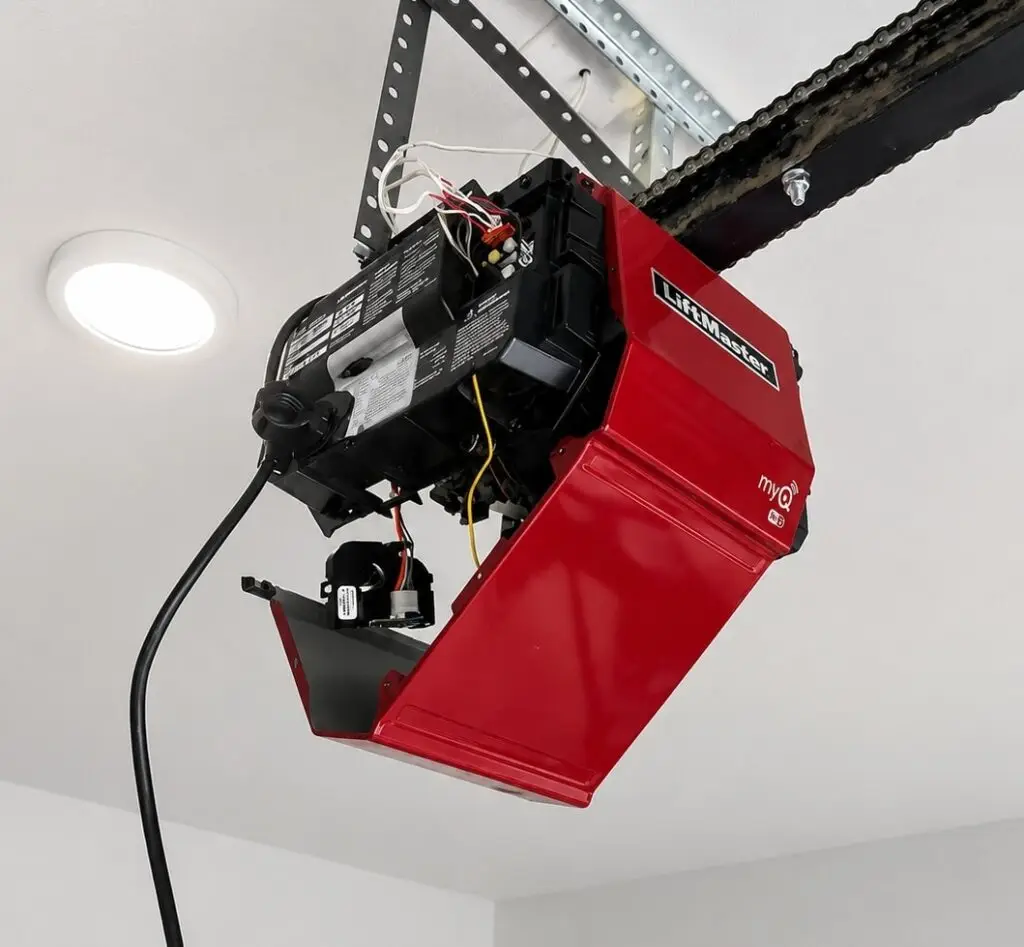
Need Garage Door Opener Repair?
Choosing the Right Garage Door Opener
Most garage door openers can be repaired, but replacement is sometimes the better long-term investment. If your opener is older, replacement parts are no longer available, or the cost of repair approaches the price of a new unit, installing a new opener can improve reliability, safety, and convenience.
Today’s garage door openers are quieter, more secure, and offer features like battery backup, Wi-Fi connectivity, smartphone control, and LED lighting. We’ll help you choose an opener that fits your garage door, your home, and your budget.
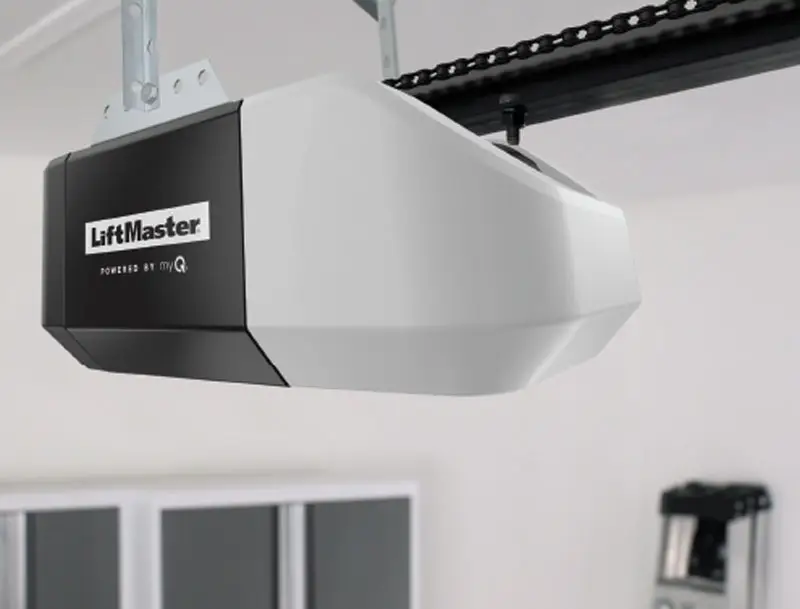
Chain Drive Openers
Noise
Maintenance
Initial Cost
Reliability
Smart Features
Maximum value
Chain drive openers use a heavy-duty chain and remain a dependable choice for detached garages or homeowners looking for maximum value.
Ideal for
- Detached garages
- Budget-conscious homeowners
Belt Drive Openers
Noise
Maintenance
Initial Cost
Reliability
Smart Features
The most popular choice
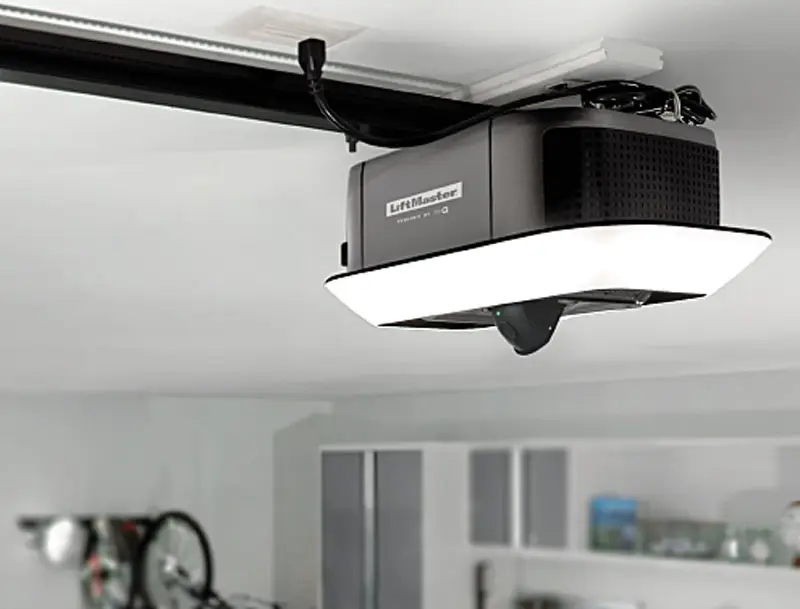
Belt drive openers combine quiet operation with dependable performance. They’re the preferred choice for attached garages and homes with living space nearby.
Ideal for
- Quiet operation
- Attached garages
Jackshaft Openers
Noise
Maintenance
Initial Cost
Reliability
Smart Features
For specialty applications
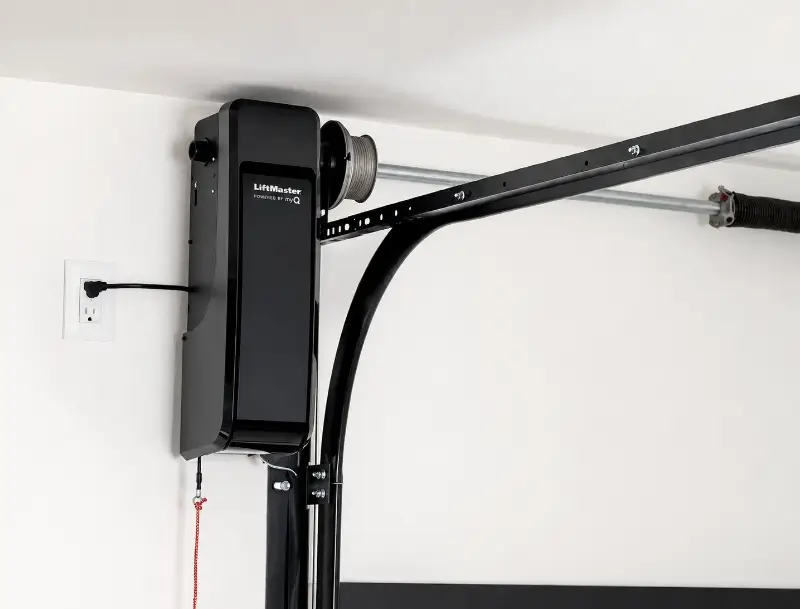
Mounted beside the garage door instead of overhead, jackshaft openers provide exceptionally quiet operation while creating room for high ceilings, or vehicle lifts.
Ideal for
- High-lift doors
- Garages with Vehicle lifts
- Spiral Insight
Application Note: Jackshaft openers deliver outstanding performance on garage doors with high-lift track. On doors with traditional standard-radius track, a ceiling-mounted opener often provides better long-term reliability with fewer maintenance issues.
Honest Service. No Surprises.
We do things the right way. Here’s what you can expect when you choose Spiral Garage Door.
No Trip Charges
We don’t charge just for showing up. Your money goes toward solving the problem, not getting us to your driveway.
No Credit Card Fees
Pay the way that’s most convenient for you. We never add a service charge for paying by credit card.
Inspection Included
Every repair includes a garage door inspection at no additional cost to identify worn parts before they fail.
Every Door. Every Visit.
If your home has multiple garage doors, we’ll inspect and lubricate each one at no additional charge.
Customer Reviews
See what homeowners, property managers, and businesses have to say about working with Spiral Garage Door.
 5.0Top Rated Service 2026verified by TrustindexTrustindex verifies that the company has a review score above 4.5, based on reviews collected on Google over the past 12 months, qualifying it to receive the Top Rated Certificate.

“Spiral Garage Door showed up within two hours of my call. My spring snapped and they fixed it before lunch. Good pricing, professional, couldn’t ask for more.”
Tom R.
Hastings, MN
“Had our garage door opener replaced. From the consultation to the final install, Spiral was communicative, clean, and efficient. Our new opener works amazing.”
Sarah M.
Woodbury, MN
“The opener repair was done faster than I expected. Technician explained every step and didn’t oversell me on parts I didn’t need. Rare to find that these days.”
Jake W.
White Bear Lake, MN
Simple Process. Clear Communication.
We inspect your entire garage door system to find the real cause of the problem.
We explain what we found, review your options, and answer your questions.
Once approved, we complete the repair and test the system to ensure it’s right.
Our Service Area
Local Roots. Regional Service.
Based in Hastings, Minnesota, Spiral Garage Door proudly serves homeowners, residential communities, and commercial facilities throughout the Greater Twin Cities and western Wisconsin.

Do We Service Your Area?
Enter your ZIP code to instantly confirm whether Spiral Garage Door provides service in your area.
Learn more about our garage door services in these communities.
Garage Door Opener Repair FAQ
Select any question below to jump directly to the answer, or scroll to read them all.
- How do I know if my garage door opener is broken?
- Can a garage door opener be repaired, or does it need to be replaced?
- How long do garage door openers typically last?
- What are the signs that it's time to replace my garage door opener?
- Why won't my garage door opener open or close the door?
- Why does my garage door reverse before it closes?
- Why is my garage door opener making grinding or clicking noises?
- Can I replace a garage door opener myself?
- What type of garage door opener is best?
- Can I add Wi-Fi or smart features to my garage door opener?
- Do you repair LiftMaster, Chamberlain, Genie, Craftsman, and Linear openers?
- How much does garage door opener repair cost?
- Will a new garage door opener work with my existing garage door?
- Why does my garage door opener light keep flashing?
- Why do you inspect the entire garage door instead of just the opener?
How do I know if my garage door opener is broken?
A garage door opener isn’t always the reason your garage door stops working. While the opener can certainly fail, problems with the springs, cables, rollers, or door balance often produce similar symptoms.
Common signs of a failing garage door opener include:
- The motor runs, but the door doesn’t move.
- The opener won’t respond to the remote or wall button.
- The garage door stops partway through its travel.
- The opener makes unusual grinding, clicking, or humming noises.
- The garage door reverses unexpectedly.
- The opener light flashes repeatedly or displays an error code.
Because the opener is only one part of the garage door system, it’s important to diagnose the actual cause before replacing parts. At Spiral Garage Door, every opener repair begins with a complete inspection of both the opener and the garage door to ensure we identify the root cause of the problem.
Can a garage door opener be repaired, or does it need to be replaced?
Many garage door opener problems can be repaired, especially when the unit is relatively new and replacement parts are still available.
Common repairs include:
- Replacing drive gears
- Replacing logic boards
- Installing new wall controls
- Programming remotes
- Replacing safety sensors
- Adjusting travel limits and force settings
- Repairing chain or belt drive components
Replacement may be the better option when:
- Major internal components have failed.
- Replacement parts are no longer available.
- The opener lacks modern safety features.
- Multiple repairs have become necessary.
- The unit is approaching the end of its expected lifespan.
We’ll explain the condition of your opener, discuss your options, and recommend the solution that offers the best long-term value.
How long do garage door openers typically last?
Most residential garage door openers last between 10 and 15 years, although many continue operating longer with proper maintenance.
Several factors influence lifespan, including:
- Frequency of use
- Door weight
- Door balance
- Installation quality
- Routine maintenance
- Environmental conditions
One of the biggest factors is the condition of the garage door itself. A properly balanced door places very little strain on the opener. An unbalanced or heavy door forces the opener to work harder every time it operates, increasing wear on internal components.
Regular inspections can help identify developing issues before they lead to premature opener failure.
What are the signs that it's time to replace my garage door opener?
Not every malfunction requires a new opener, but there are times when replacement makes more sense than continued repairs.
You may want to consider replacing your opener if:
- It is more than 10 years old.
- Replacement parts are difficult to obtain.
- It requires frequent repairs.
- It operates loudly despite being properly maintained.
- It lacks modern safety or security features.
- You want smartphone control or battery backup.
A new opener can also provide quieter operation, improved reliability, rolling-code security, LED lighting, and smart home integration.
We’ll help you determine whether repairing your existing opener or investing in a replacement is the better long-term decision.
Why won't my garage door opener open or close the door?
Several different problems can prevent a garage door opener from operating properly.
Possible causes include:
- No electrical power
- Failed wall control
- Dead remote batteries
- Misaligned safety sensors
- Broken garage door spring
- Travel limit settings
- Logic board failure
- Stripped drive gear
- Door disconnected from the opener
- Garage door binding or out of balance
Because many of these issues produce similar symptoms, replacing the opener without diagnosing the entire system often leads to unnecessary repairs.
Our inspection process identifies the actual cause before recommending any replacement parts.
Why does my garage door reverse before it closes?
Garage door openers include safety features designed to prevent the door from closing if something blocks its path.
If your door begins closing and then reverses, common causes include:
- Misaligned photo eye sensors
- Dirty sensor lenses
- Wiring problems
- Excessive resistance from the garage door
- An unbalanced door
- Damaged rollers or tracks
The opener interprets these conditions as a possible obstruction and automatically reverses to help prevent injury or property damage.
Determining why the opener believes an obstruction exists is the key to correcting the problem.
Why is my garage door opener making grinding or clicking noises?
Garage door openers normally produce some operating noise, but new or unusually loud sounds often indicate developing problems.
Grinding noises may be caused by:
- Worn drive gears
- Failing sprockets
- Damaged bearings
- Motor wear
Clicking sounds can result from:
- Electrical relays
- Logic board issues
- Loose hardware
- Chain or belt tension problems
Ignoring unusual noises may allow minor problems to become more expensive repairs. If your opener suddenly begins sounding different than normal, it’s a good idea to have it inspected.
Can I replace a garage door opener myself?
While many homeowners are capable of basic home improvement projects, garage door opener installation requires more than simply hanging a motor from the ceiling.
Proper installation includes:
- Secure mounting
- Electrical connections
- Rail assembly
- Door arm installation
- Safety sensor alignment
- Travel limit adjustment
- Force setting adjustment
- Safety reverse testing
Improper adjustments can prevent the opener’s safety features from functioning correctly.
Professional installation ensures the opener is properly matched to your garage door and complies with current safety standards.
What type of garage door opener is best?
The best garage door opener depends on your garage, your budget, and how you use the space.
Chain drive openers are durable, reliable, and cost-effective. They’re a great choice for detached garages or homeowners who prioritize value over noise.
Belt drive openers provide exceptionally quiet operation and are ideal for attached garages or homes with bedrooms above the garage.
Wall-mount openers attach beside the garage door rather than overhead, freeing up ceiling space for vehicle lifts, overhead storage, or high ceilings while offering smooth, quiet operation.
During your consultation, we’ll help you choose the opener that best matches your garage door and your home’s needs.
Can I add Wi-Fi or smart features to my garage door opener?
In many cases, yes.
Some existing openers can be upgraded with compatible smart controllers that allow you to:
- Open and close the door remotely
- Check whether the door is open or closed
- Receive activity notifications
- Create schedules
- Integrate with compatible smart home platforms
If your opener is older, replacing it with a new Wi-Fi-enabled model may provide better long-term value while adding modern security and convenience features.
We’ll help determine whether upgrading your existing opener or replacing it entirely is the better option.
Do you repair LiftMaster, Chamberlain, Craftsman, Genie, and Linear openers?
Yes.
We service many of the most common residential garage door opener brands, including:
- LiftMaster
- Chamberlain
- Genie
- Craftsman
- Linear
- Marantec
Because many of these manufacturers share similar operating principles, we’re able to diagnose and repair a wide variety of opener systems.
If replacement parts are no longer available or the opener has reached the end of its service life, we’ll discuss suitable replacement options that are compatible with your garage door.
How much does garage door opener repair cost?
Garage door opener repair costs vary depending on the problem, the age of the opener, and whether replacement parts are still available.
Factors that affect repair costs include:
- Type of failure
- Brand and model
- Parts availability
- Labor required
- Whether repair or replacement is the better value
Rather than offering one-size-fits-all pricing, we begin with a complete inspection so we can accurately identify the issue and provide a clear estimate before any work begins.
Will a new garage door opener work with my existing garage door?
In most cases, yes.
Modern garage door openers are compatible with the vast majority of residential garage doors when they’re properly sized and installed.
Before recommending a new opener, we’ll evaluate:
- Door size
- Door weight
- Spring system
- Door balance
- Headroom
- Existing hardware
Matching the opener to the garage door helps ensure smooth operation, longer equipment life, and reliable performance.
Why does my garage door opener light keep flashing?
A flashing opener light is often a diagnostic indicator rather than a problem with the light itself.
Depending on the manufacturer, flashing lights may indicate:
- Safety sensor problems
- Travel limit errors
- Force adjustment issues
- Wiring faults
- Obstruction detection
- Internal opener faults
Many newer openers use specific flash patterns to help identify the source of the problem.
We’ll diagnose the issue, explain what the indicator means, and recommend the appropriate repair.
Why do you inspect the entire garage door instead of just the opener?
The garage door opener is only one component of a much larger system.
It’s designed to guide a properly balanced garage door, not lift its full weight. When springs break, rollers wear out, cables become damaged, or the door falls out of balance, the opener often appears to be the problem even though it’s functioning exactly as designed.
That’s why every opener repair at Spiral Garage Door begins with a complete inspection of the entire garage door system.
By identifying the true source of the problem first, we can recommend the correct repair, prevent unnecessary part replacements, and ensure your garage door operates safely and reliably for years to come.
Need Garage Door Opener Repair?
Free estimates. No high-pressure sales.
Call or request service today.
- Fast Response Times
- Upfront Pricing
- Residential & Commercial Service
Request Service
Tell us what’s going on