
Garage Door Opener Repair
Garage Door Opener Repair
We diagnose, repair, and replace chain-drive, belt-drive, and wall-mount garage door openers.

5.0 ★★★★★
47 Google reviews
No trip charge
You pay for the repair, not the drive
No card fees
Pay by card at no extra cost
★★★★★
“Had a failed opener. Mark happened to have time the same day and installed the new opener on the spot.”
Bart S. · Google review
What’s Wrong With My Garage Door Opener?
Garage door opener problems don’t always start with a complete failure. Many begin with unusual noises, inconsistent operation, or delayed response. While some issues originate inside the opener, others are caused by broken springs, damaged cables, an unbalanced garage door, or misaligned safety sensors.
Use the symptom checker below to narrow down the possible cause.
Symptom Checker
Opener hums but the door won’t move
Possible causes:
- Stripped drive gear
- Disengaged trolley
- Broken sprocket
- Failed belt or chain
Opener won’t respond at all
Possible causes:
- No power
- Failed logic board
- Blown capacitor
- Bad wall control
Remote or keypad stopped working
Possible causes:
- Dead batteries
- Lost programming
- Failed receiver
Door reverses while closing
Possible causes:
- Misaligned safety sensors
- Incorrect travel or force settings
- Broken garage door spring
Grinding or clicking noises
Possible causes:
- Worn gears
- Loose chain
- Damaged belt or chain
- Failing motor
Opener runs longer than normal
Possible causes:
- Travel limits out of adjustment
- Internal component wear
Door opens or closes by itself
Possible causes:
- Wiring fault
- Stuck wall button
- RF interference
- Failing circuit board
Opener lights flash
Possible causes:
- Safety sensors are blocked or misaligned.
- Safety sensor wiring is damaged or disconnected.
- A wall control or control wire has failed.
- The garage door is binding or something is blocking its travel.
- A broken garage door spring has caused the opener to stop for safety.
- The manual lock on the door is engaged.
- The door is out of balance or difficult to move by hand.
- An internal opener component, such as the logic board, travel module, or motor, has failed.
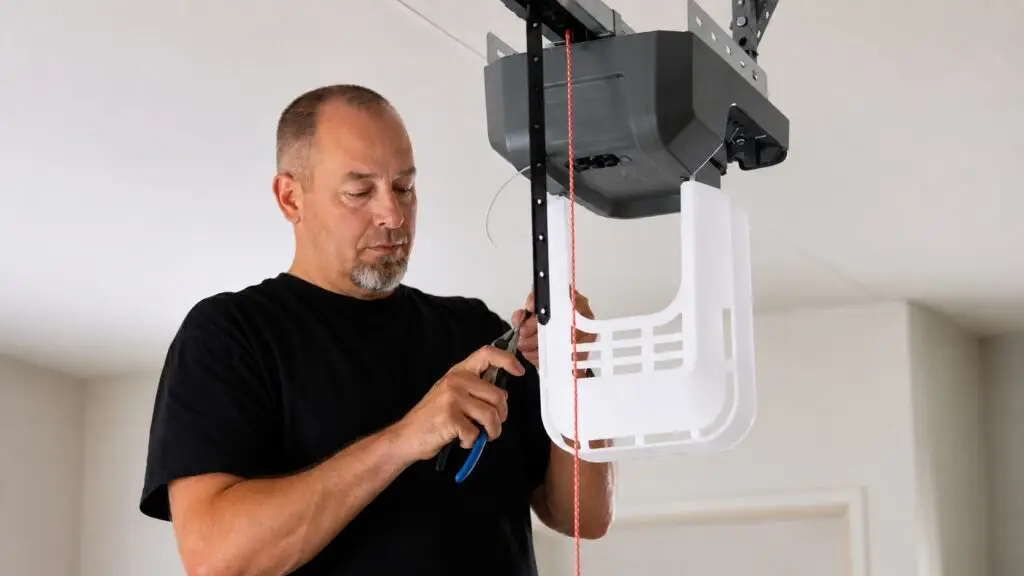
Repair or Replace Your Garage Door Opener?
Most garage door opener problems don’t require a complete replacement. Many opener problems can be resolved by replacing a worn gear, faulty control board, broken belt, or damaged safety sensor, without replacing the entire opener.
If the opener has multiple major component failures, replacement parts are no longer available, or it’s nearing the end of its service life, installing a new opener may be the better long-term investment.
Every service begins with a complete inspection because the right recommendation depends on the condition of the entire garage door system, not just the opener.
Should I Repair?
- Opener is generally under 10 years old
- One failed component
- Parts are available
- Motor and control board are working properly
- Repair provides good long-term value
- Existing features meet your needs
Should I Replace?
- Opener is generally over 10 years old
- Multiple major failures
- Parts discontinued
- Motor or control board has failed
- Repair cost approaches replacement cost
- You want quieter operation or smart features
Spiral Insight
Minnesota’s climate is tough on garage door opener electronics. Large temperature swings and humidity can shorten the life of modern garage door opener circuit boards. That’s why every recommendation begins with a complete inspection of your garage door system before we recommend repair or replacement.
Garage Door Opener Repairs
Most Opener Failures Don’t Require Replacing the Entire Unit
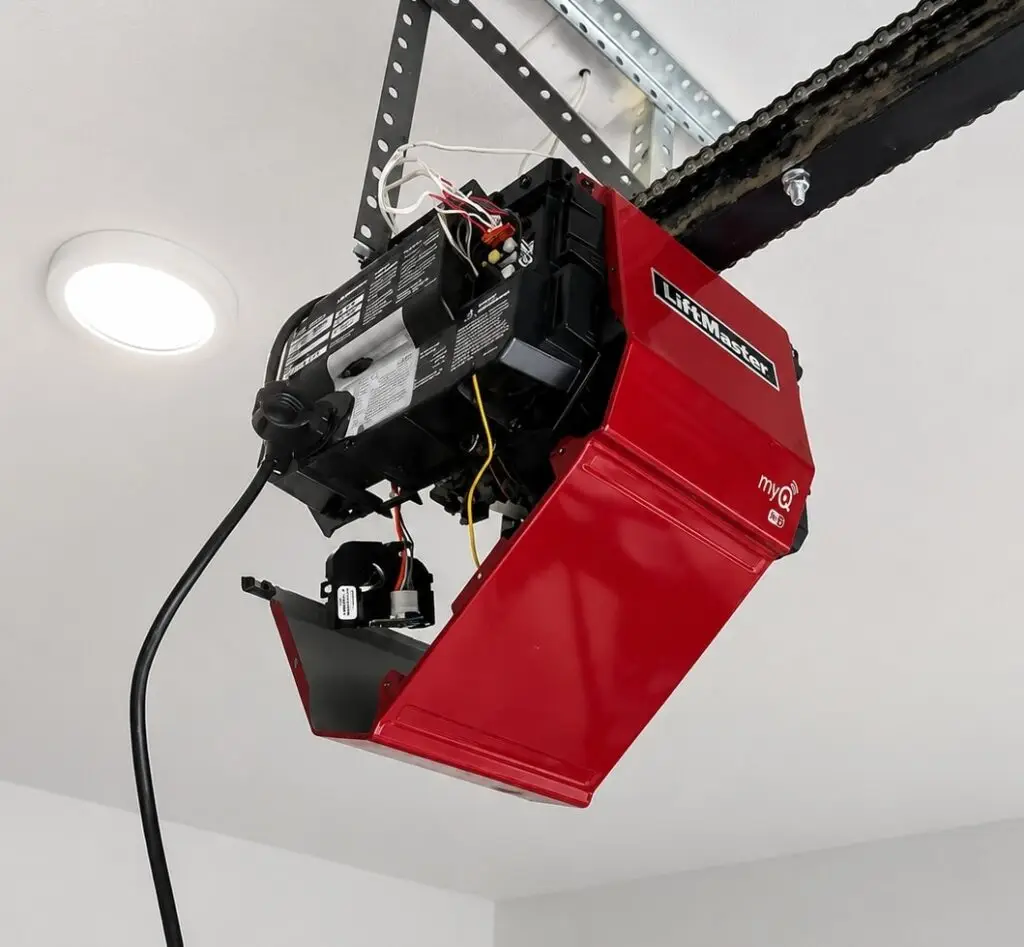
Many problems can be traced to a single worn or failed component. When replacement parts are available, repairing the opener is often faster, more affordable, and the better long-term value.
- Drive gear replacement
- Control board replacement
- Travel module replacement
- Safety sensor replacement
- Wall control replacement
- Remote & keypad programming
Not sure what’s causing the problem?
A complete inspection lets us determine whether your opener can be repaired or if replacement makes more sense. We’ll explain your options before any work begins.
Need Garage Door Opener Repair?
Choosing the Right Garage Door Opener
Most garage door openers can be repaired, but replacement is sometimes the better long-term investment. If your opener is older, replacement parts are no longer available, or the cost of repair approaches the price of a new unit, installing a new opener can improve reliability, safety, and convenience.
Today’s garage door openers are quieter, more secure, and offer features like battery backup, Wi-Fi connectivity, smartphone control, and LED lighting. We’ll help you choose an opener that fits your garage door, your home, and your budget.
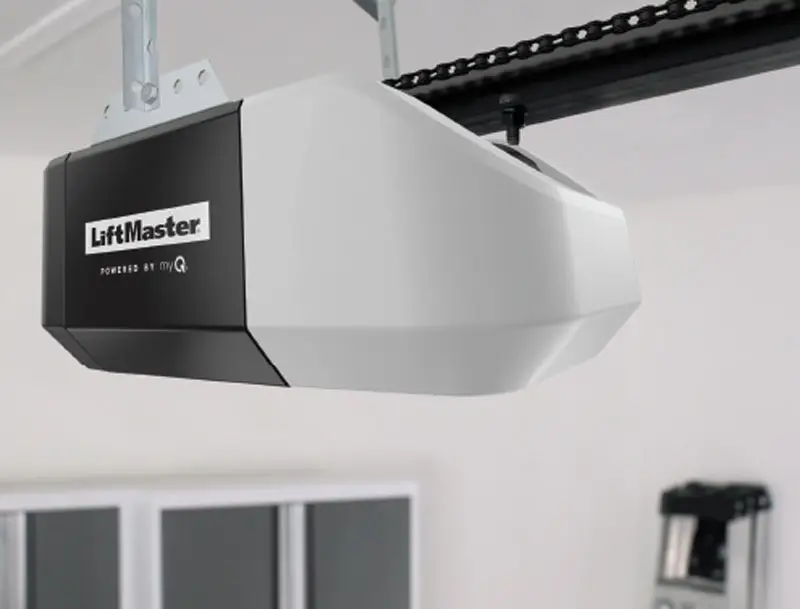
Chain Drive Openers
Noise
★★★★★
Maintenance
★★★★★
Initial Cost
$$$$
Reliability
★★★★★
Smart Features
★★★★★
Maximum value
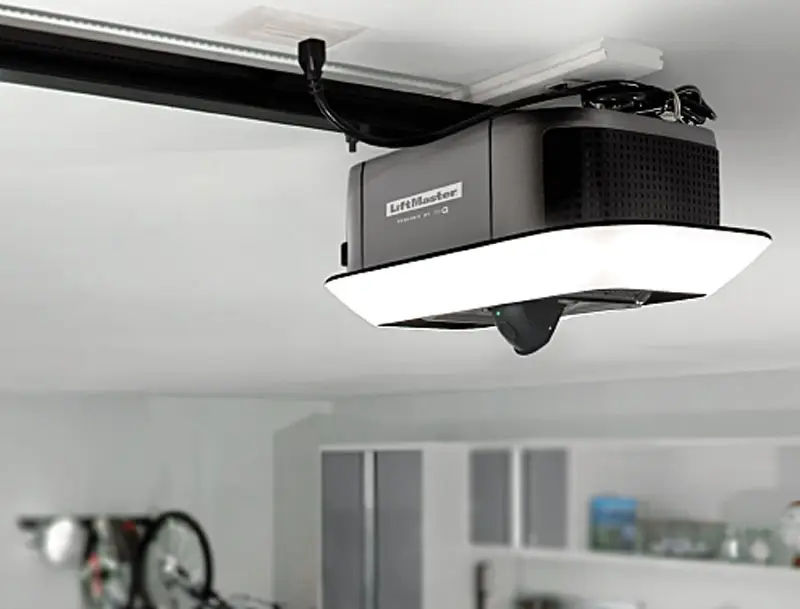
Chain drive openers use a heavy-duty chain and remain a dependable choice for detached garages or homeowners looking for maximum value.
Ideal for
- Detached garages
- Budget-conscious homeowners
Belt Drive Openers
Noise
★★★★★
Maintenance
★★★★★
Initial Cost
$$$$
Reliability
★★★★★
Smart Features
★★★★★
The most popular choice
Belt drive openers combine quiet operation with dependable performance. They’re the preferred choice for attached garages and homes with living space nearby.
Ideal for
- Quiet operation
- Attached garages
Jackshaft Openers
Noise
★★★★★
Maintenance
★★★★★
Initial Cost
$$$$
Reliability
★★★★★
Smart Features
★★★★★
For specialty applications
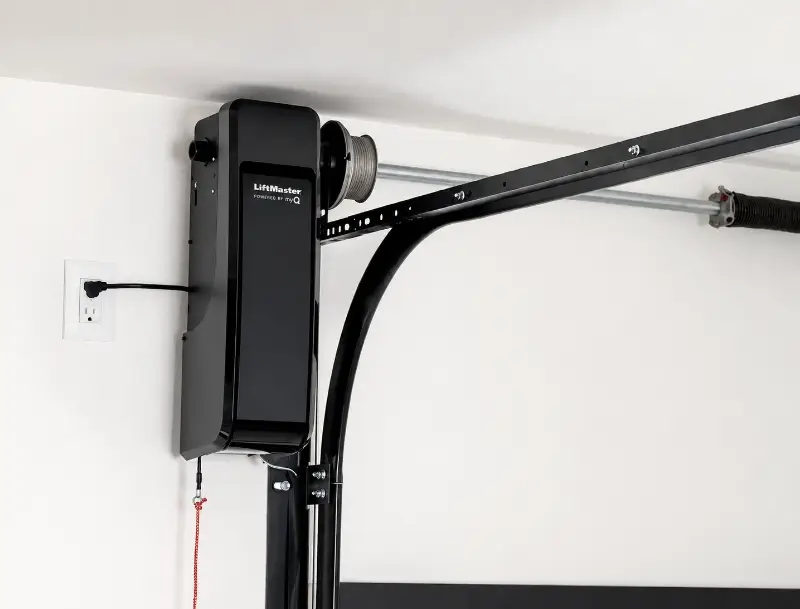
Mounted beside the garage door instead of overhead, jackshaft openers provide exceptionally quiet operation while creating room for high ceilings or vehicle lifts.
Ideal for
- High-lift doors
- Garages with vehicle lifts
Spiral Insight
Application Note: Jackshaft openers deliver outstanding performance on garage doors with high-lift track. On doors with traditional standard-radius track, a ceiling-mounted opener often provides better long-term reliability with fewer maintenance issues.
The Spiral Difference
Honest Service. No Surprises.
We do things the right way. Here’s what you can expect when you choose Spiral Garage Door.

No Trip Charges
We don’t charge just for showing up. Your money goes toward solving the problem, not getting us to your driveway.

No Credit Card Fees
Pay the way that’s most convenient for you. We never add a service charge for paying by credit card.

Inspection Included
Every repair includes a garage door inspection at no additional cost to identify worn parts before they fail.

Every Door. Every Visit.
If your home has multiple garage doors, we’ll inspect and lubricate each one at no additional charge.
★★★★★
“He was honest and was not pushy at all.”
Mary M. · Google review
Customer Reviews
Trusted by Your Neighbors
Homeowners and property managers on what it’s like to work with us.

Questions
Garage Door Opener Repair FAQ
Quick answers about opener repair, replacement, and costs. Don’t see your question? Give us a call.
(612) 314-5990
How do I know if my garage door opener is broken?
Common signs of a failing garage door opener include:
- The motor runs, but the door doesn’t move.
- The opener won’t respond to the remote or wall button.
- The garage door stops partway through its travel.
- The opener makes unusual grinding, clicking, or humming noises.
- The garage door reverses unexpectedly.
- The opener light flashes repeatedly or displays an error code.
Can a garage door opener be repaired, or does it need to be replaced?
Common repairs include:
- Replacing drive gears
- Replacing logic boards
- Installing new wall controls
- Programming remotes
- Replacing safety sensors
- Adjusting travel limits and force settings
- Repairing chain or belt drive components
- Major internal components have failed.
- Replacement parts are no longer available.
- The opener lacks modern safety features.
- Multiple repairs have become necessary.
- The unit is approaching the end of its expected lifespan.
How long do garage door openers typically last?
Several factors influence lifespan, including:
- Frequency of use
- Door weight
- Door balance
- Installation quality
- Routine maintenance
- Environmental conditions
Regular inspections can help identify developing issues before they lead to premature opener failure.
What are the signs that it’s time to replace my garage door opener?
You may want to consider replacing your opener if:
- It is more than 10 years old.
- Replacement parts are difficult to obtain.
- It requires frequent repairs.
- It operates loudly despite being properly maintained.
- It lacks modern safety or security features.
- You want smartphone control or battery backup.
We’ll help you determine whether repairing your existing opener or investing in a replacement is the better long-term decision.
Why won’t my garage door opener open or close the door?
Possible causes include:
- No electrical power
- Failed wall control
- Dead remote batteries
- Misaligned safety sensors
- Broken garage door spring
- Travel limit settings
- Logic board failure
- Stripped drive gear
- Door disconnected from the opener
- Garage door binding or out of balance
Our inspection process identifies the actual cause before recommending any replacement parts.
Why does my garage door reverse before it closes?
If your door begins closing and then reverses, common causes include:
- Misaligned photo eye sensors
- Dirty sensor lenses
- Wiring problems
- Excessive resistance from the garage door
- An unbalanced door
- Damaged rollers or tracks
Determining why the opener believes an obstruction exists is the key to correcting the problem.
Why is my garage door opener making grinding or clicking noises?
Grinding noises may be caused by:
- Worn drive gears
- Failing sprockets
- Damaged bearings
- Motor wear
- Electrical relays
- Logic board issues
- Loose hardware
- Chain or belt tension problems
Can I replace a garage door opener myself?
Proper installation includes:
- Secure mounting
- Electrical connections
- Rail assembly
- Door arm installation
- Safety sensor alignment
- Travel limit adjustment
- Force setting adjustment
- Safety reverse testing
Professional installation ensures the opener is properly matched to your garage door and complies with current safety standards.
What type of garage door opener is best?
Chain drive openers are durable, reliable, and cost-effective. They’re a great choice for detached garages or homeowners who prioritize value over noise.
Belt drive openers provide exceptionally quiet operation and are ideal for attached garages or homes with bedrooms above the garage.
Wall-mount openers attach beside the garage door rather than overhead, freeing up ceiling space for vehicle lifts, overhead storage, or high ceilings while offering smooth, quiet operation.
During your consultation, we’ll help you choose the opener that best matches your garage door and your home’s needs.
Can I add Wi-Fi or smart features to my garage door opener?
Some existing openers can be upgraded with compatible smart controllers that allow you to:
- Open and close the door remotely
- Check whether the door is open or closed
- Receive activity notifications
- Create schedules
- Integrate with compatible smart home platforms
We’ll help determine whether upgrading your existing opener or replacing it entirely is the better option.
Do you repair LiftMaster, Chamberlain, Craftsman, Genie, and Linear openers?
We service many of the most common residential garage door opener brands, including:
- LiftMaster
- Chamberlain
- Genie
- Craftsman
- Linear
- Marantec
If replacement parts are no longer available or the opener has reached the end of its service life, we’ll discuss suitable replacement options that are compatible with your garage door.
How much does garage door opener repair cost?
Factors that affect repair costs include:
- Type of failure
- Brand and model
- Parts availability
- Labor required
- Whether repair or replacement is the better value
Will a new garage door opener work with my existing garage door?
Modern garage door openers are compatible with the vast majority of residential garage doors when they’re properly sized and installed.
Before recommending a new opener, we’ll evaluate:
- Door size
- Door weight
- Spring system
- Door balance
- Headroom
- Existing hardware
Why does my garage door opener light keep flashing?
Depending on the manufacturer, flashing lights may indicate:
- Safety sensor problems
- Travel limit errors
- Force adjustment issues
- Wiring faults
- Obstruction detection
- Internal opener faults
We’ll diagnose the issue, explain what the indicator means, and recommend the appropriate repair.
Why do you inspect the entire garage door instead of just the opener?
It’s designed to guide a properly balanced garage door, not lift its full weight. When springs break, rollers wear out, cables become damaged, or the door falls out of balance, the opener often appears to be the problem even though it’s functioning exactly as designed.
That’s why every opener repair at Spiral Garage Door begins with a complete inspection of the entire garage door system.
By identifying the true source of the problem first, we can recommend the correct repair, prevent unnecessary part replacements, and ensure your garage door operates safely and reliably for years to come.
Request service
Need Garage Door
Opener Repair?
Free estimates. No high-pressure sales. Call or request service and we’ll get back to you quickly.
No trip charge
No credit card fee
Inspection included
5.0 ★★★★★
47 Google reviews
Request Service
Tell us what’s going on and we’ll follow up to schedule.